In today’s competitive digital landscape, your NetSuite email list represents more than just a collection of contacts—it’s a powerful asset that can drive significant revenue growth when properly optimized. Whether you’re running marketing campaigns, nurturing prospects, or maintaining customer relationships, the quality and engagement of your email list directly impacts your bottom line.

Understanding the Value of a High-Quality NetSuite Email List
Before diving into optimization strategies, it’s essential to recognize what makes a NetSuite email list valuable. Unlike generic email databases, your NetSuite contacts are integrated with your ERP system, providing rich customer data, purchase history, and behavioral insights. This integration creates opportunities for highly targeted campaigns that generic email marketing platforms simply cannot match.
The challenge most businesses face isn’t acquiring email addresses—it’s maintaining list quality while driving meaningful engagement. Studies show that email lists naturally decay by approximately 22.5% annually, making continuous optimization not just beneficial but necessary for sustained marketing success.
Strategy 1: Implement Rigorous Data Hygiene Practices
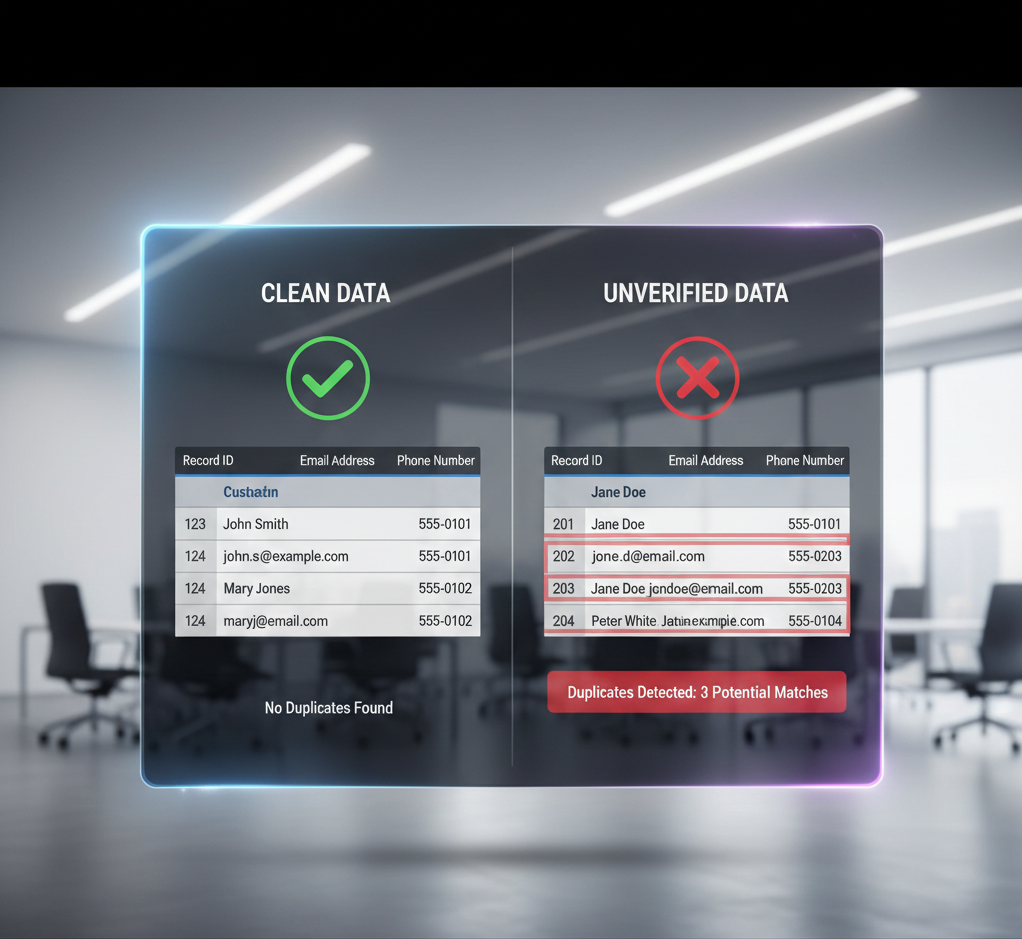
The foundation of any high-performing email list starts with data quality. Your NetSuite database likely contains outdated information, duplicate entries, and invalid email addresses that drag down your conversion rates and damage your sender reputation.
Clean List Regularly
Schedule quarterly email list audits within your NetSuite CRM to identify and remove problematic contacts. Focus on eliminating hard bounces immediately—these invalid email addresses signal to email service providers that you’re not maintaining proper list hygiene, potentially landing your messages in spam folders.
Beyond bounces, look for engagement patterns. Contacts who haven’t opened an email in 12-18 months should be placed into a re-engagement campaign. If they still don’t respond, consider removing them from your active list. This might seem counterintuitive when you’re focused on list growth, but a smaller, engaged list consistently outperforms a larger, disengaged one.
Eliminate Duplicate Records
NetSuite’s powerful search and reporting capabilities make identifying duplicates straightforward. Create saved searches that flag potential duplicates based on email addresses, names, or company information. Duplicate records not only inflate your list size artificially but can also lead to sending multiple emails to the same person, creating a poor user experience and increasing unsubscribe rates.
Strategy 2: Leverage Advanced Segmentation Techniques
Generic, one-size-fits-all email campaigns generate mediocre results at best. The true power of NetSuite lies in its ability to segment your audience based on rich behavioral and transactional data.
Behavioral Segmentation
Use NetSuite’s customer records to segment based on purchase history, browsing behavior, and engagement levels. Create distinct segments for:
- Recent purchasers who might be interested in complementary products
- Customers approaching renewal dates for subscription services
- High-value clients who deserve premium content and exclusive offers
- Inactive customers who need re-engagement campaigns with special incentives
Demographic and Firmographic Segmentation
For B2B organizations, leverage company size, industry vertical, and job titles stored in NetSuite. A CFO’s email needs differ dramatically from those of a procurement manager, even within the same company. Tailor your messaging, tone, and content accordingly.
Lifecycle Stage Segmentation
Not every contact is at the same point in their customer journey. Segment your NetSuite email list by lifecycle stage—prospects, new customers, established customers, and at-risk accounts—and develop targeted campaigns for each group. A prospect needs educational content, while an established customer might appreciate advanced tips or loyalty rewards.
Strategy 3: Personalize Beyond the First Name
While addressing recipients by name remains important, modern email optimization demands deeper personalization powered by NetSuite’s comprehensive data.
Dynamic Content Blocks
Utilize your NetSuite data to create dynamic email content that changes based on recipient attributes. A customer who recently purchased software might see content about implementation services, while someone in the research phase sees product comparisons and case studies.
Product Recommendations
Leverage purchase history and browsing data from NetSuite to include personalized product recommendations in your emails. Amazon’s recommendation engine generates 35% of their revenue—you can apply similar principles using your NetSuite data to drive conversions.
Timing Optimization
NetSuite’s analytics can reveal when specific customer segments are most likely to engage with emails. Some industries check email first thing Monday morning, while others are more responsive on Wednesday afternoons. Use this data to schedule your campaigns for maximum impact.

Strategy 4: Optimize Email Capture and List Growth
Quality list growth requires strategic planning and multiple touchpoints across your customer journey.
Strategic Form Placement
Review your website analytics within NetSuite to identify high-traffic pages and place email capture forms strategically. Resource downloads, product pages, and blog posts all present opportunities to grow your list with interested prospects.
Value Exchange Mechanisms
Today’s consumers are protective of their email addresses. Offer compelling value in exchange for contact information—exclusive research reports, industry benchmarks, free trials, or early access to new features. Ensure the value you provide aligns with your target audience’s needs and pain points.
Double Opt-In Process
While double opt-in adds friction to the signup process, it significantly improves list quality. Contacts who confirm their subscription demonstrate genuine interest and are more likely to engage with your content. This also protects your sender reputation and ensures compliance with data protection regulations.
Strategy 5: Enhance Deliverability and Technical Performance
Even the most compelling email content fails if it never reaches the inbox. Technical optimization is crucial for email marketing success.
Authenticate Your Sending Domain
Implement SPF, DKIM, and DMARC authentication protocols to verify your sending identity. These technical measures signal to email service providers that your messages are legitimate, improving inbox placement rates.
Monitor Sender Reputation
Your sender reputation acts as a credit score for email marketing. Monitor metrics like bounce rates, spam complaints, and engagement rates within NetSuite. Poor sender reputation leads to deliverability issues that even the best content cannot overcome.
Mobile Optimization
Over 60% of emails are now opened on mobile devices. Ensure your email templates are responsive and render correctly across different screen sizes. Test your emails on multiple devices and email clients before sending to your full list.

Strategy 6: Implement Re-engagement Campaigns
Not every subscriber remains engaged forever, but that doesn’t mean they should be immediately removed from your list.
Identify Dormant Subscribers
Use NetSuite’s reporting capabilities to identify subscribers who haven’t engaged in 6-12 months. Create targeted re-engagement campaigns designed specifically to recapture their interest.
Offer Exit Incentives
Before removing inactive subscribers, send a final campaign offering exclusive discounts, valuable content, or subscription preference updates. Sometimes people stop engaging because email frequency is too high or content isn’t relevant—give them options to customize their experience.
Graceful Unsubscribe Process
Make unsubscribing easy and use it as an opportunity to gather feedback. Understanding why people leave helps you improve for those who stay. Consider offering subscription preferences rather than complete removal—perhaps they want monthly updates instead of weekly.
Strategy 7: Continuous Testing and Optimization
Email optimization is never truly finished. Implement a culture of continuous improvement through systematic testing.
A/B Testing Framework
Test one variable at a time—subject lines, send times, call-to-action placement, or email length. Use NetSuite’s analytics to track which variations drive better open rates, click-through rates, and conversions. Document your findings and apply learnings to future campaigns.
Performance Metrics That Matter
Track metrics beyond open rates. Focus on conversion-oriented KPIs like click-to-open rates, conversion rates, revenue per email, and customer lifetime value by email segment. These metrics provide actionable insights into what’s actually driving business results.
Feedback Loops
Create mechanisms for collecting subscriber feedback. Post-purchase surveys, email preference centers, and direct response opportunities help you understand what your audience wants. Use this qualitative data alongside quantitative metrics for comprehensive optimization.

Measuring Success and ROI
Your NetSuite integration provides unique advantages for tracking email marketing ROI. Connect email engagement data directly to revenue, allowing you to calculate exact returns on your email marketing investment.
Create custom reports that link email campaigns to opportunities, quotes, and closed deals. This level of attribution helps justify email marketing budgets and identifies which campaigns and segments deliver the highest returns.
Conclusion: Building a Conversion-Optimized Email List
Optimizing your NetSuite email list for better conversions requires ongoing attention across data quality, segmentation, personalization, technical performance, and continuous testing. The integration between your ERP system and email marketing efforts creates unique opportunities for targeting and personalization that deliver measurable results.
Start by auditing your current list quality, implementing proper segmentation, and establishing baseline metrics. From there, adopt a systematic approach to testing and optimization, always keeping your focus on metrics that directly impact revenue and business growth.
Remember that email list optimization is not a one-time project but an ongoing process. The businesses that consistently review and refine their email strategies, leveraging the rich data available in NetSuite, will see sustained improvements in engagement and conversions over time.
By implementing these strategies, you’ll transform your NetSuite email list from a simple contact database into a powerful revenue-generating asset that drives meaningful business results quarter after quarter.