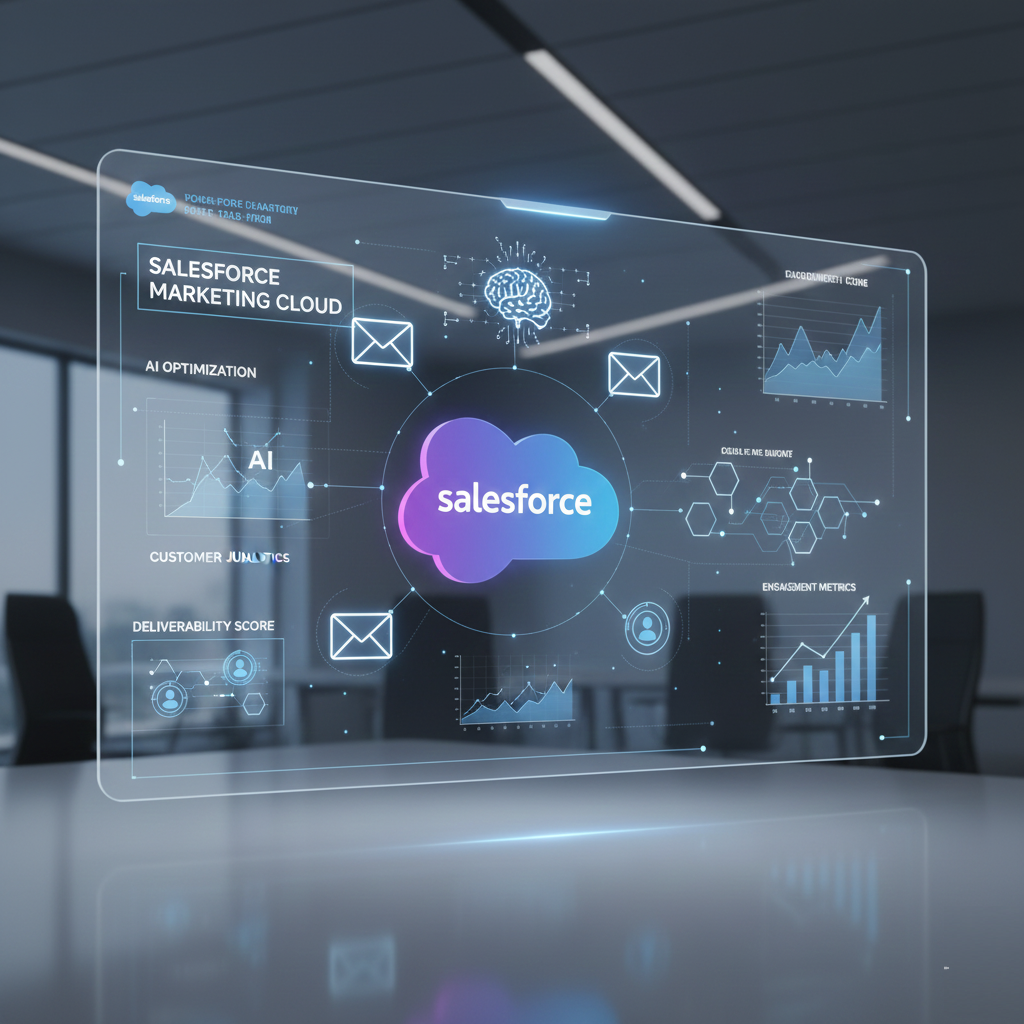
The landscape of email marketing is evolving at breakneck speed, and Salesforce email lists are at the epicenter of this transformation. As we navigate through 2026, businesses leveraging Salesforce CRM are discovering that their email list strategies need to be smarter, more personalized, and increasingly data-driven to cut through the noise and reach their target audiences effectively.
For organizations managing Salesforce CRM users lists, staying ahead of emerging trends isn’t just beneficial—it’s essential for survival in an increasingly competitive B2B marketplace. Let’s explore the most impactful trends reshaping how companies build, manage, and leverage their email lists within the Salesforce ecosystem.
AI-Powered Hyper-Personalization Takes Center Stage
Gone are the days when simply inserting a recipient’s first name constituted personalization. In 2026, artificial intelligence is revolutionizing how businesses interact with their Salesforce email lists, enabling unprecedented levels of customization that feel genuinely human.
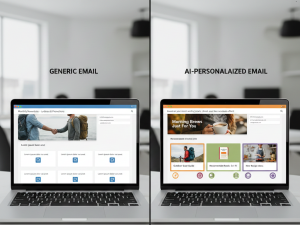
Modern Salesforce implementations now integrate advanced AI algorithms that analyze behavioral patterns, purchase history, engagement metrics, and even predictive indicators to craft emails that resonate on an individual level. These systems can automatically adjust subject lines, content blocks, imagery, and call-to-action buttons based on each recipient’s unique profile and predicted preferences.
For companies maintaining CRM users lists, this means moving beyond basic demographic segmentation. AI-driven personalization considers factors like:
- Time zones and optimal send times for individual recipients
- Content consumption patterns across multiple channels
- Stage in the customer journey
- Predicted likelihood to engage based on historical data
- Real-time behavioral triggers
The result? Email campaigns that don’t just reach inboxes but genuinely connect with recipients, driving engagement rates that traditional approaches can’t match.
Predictive Segmentation Replaces Traditional Demographics
Static segmentation based on industry, company size, or job title is becoming obsolete. The most successful organizations using Salesforce CRM users lists are embracing predictive segmentation models that continuously evolve based on real-time data signals.
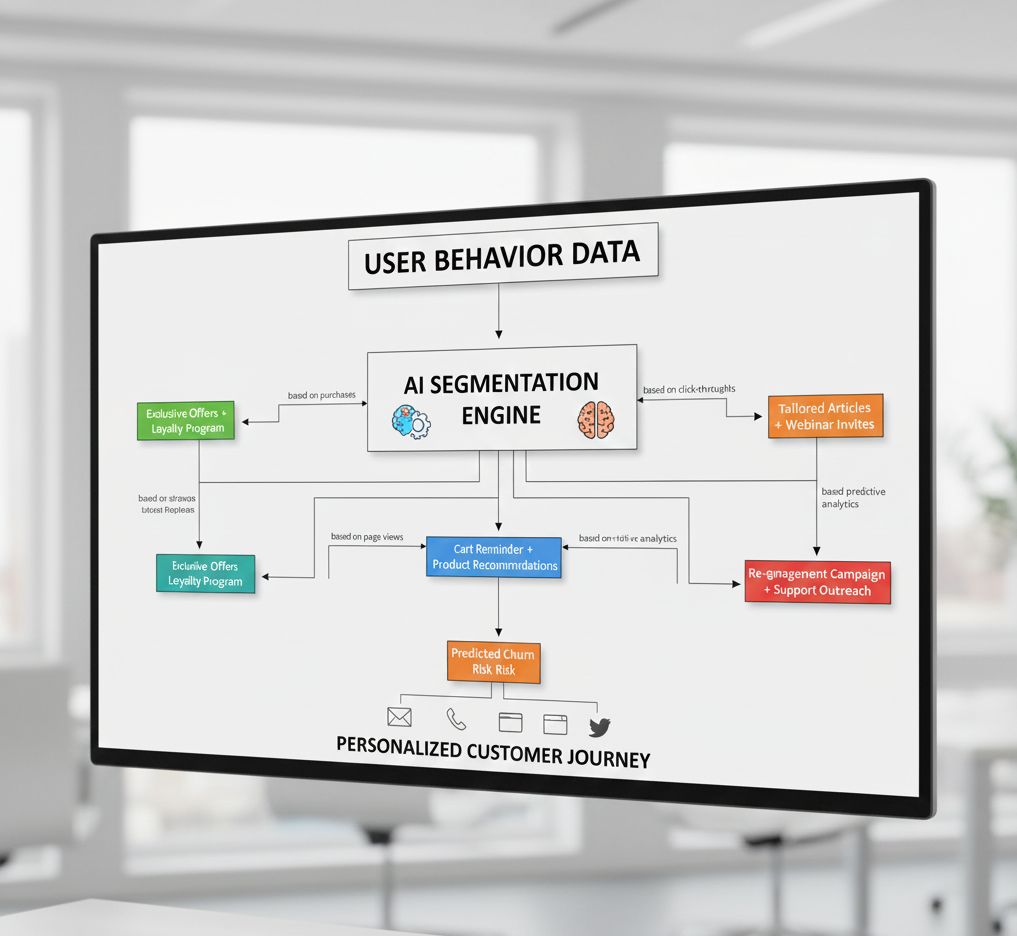
Predictive segmentation leverages machine learning to identify patterns that human marketers might miss. Instead of manually creating segments, the system automatically groups contacts based on:
- Likelihood to convert within specific timeframes
- Propensity to churn or disengage
- Product or service affinity predictions
- Cross-sell and upsell opportunities
- Content preference patterns
This approach transforms email list management from a static exercise into a dynamic, continuously optimizing process. Your Salesforce email list essentially reorganizes itself to maximize relevance and impact, ensuring that every contact receives communications aligned with their current needs and interests.
Privacy-First Email Marketing Becomes Non-Negotiable
As data privacy regulations continue to tighten globally, businesses managing Salesforce email lists must prioritize compliance and transparency. In 2026, privacy isn’t just a legal requirement—it’s a competitive differentiator that builds trust with prospects and customers.
The trend toward first-party data collection is accelerating. Organizations are moving away from purchased or third-party CRM users lists and instead focusing on building high-quality, permission-based email databases through organic growth strategies. This shift emphasizes:
- Clear, transparent opt-in processes
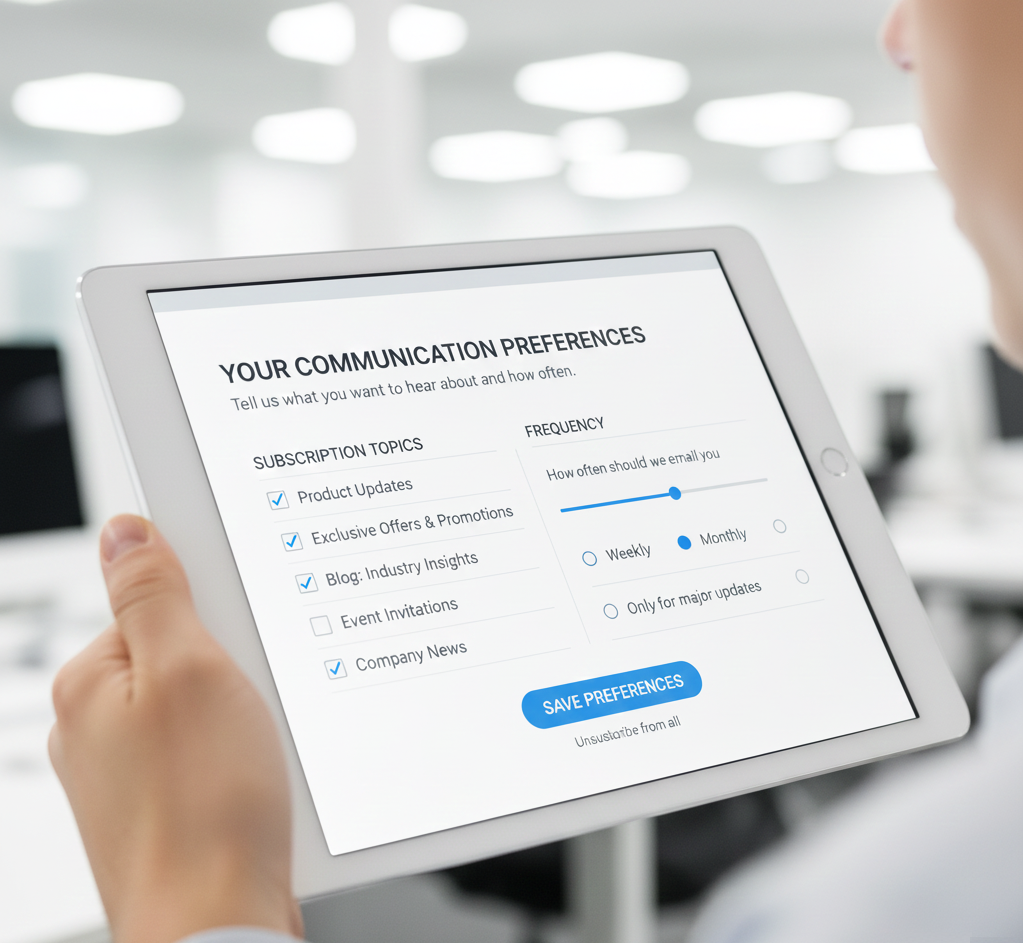
- Granular preference centers allowing recipients to control communication frequency and topics
- Regular list hygiene practices to remove inactive or unengaged contacts
- Zero-party data collection strategies where customers willingly share preferences
Smart Salesforce users are implementing preference management systems that give email recipients unprecedented control over their experience. This approach may result in smaller lists, but the quality, engagement, and conversion rates far exceed those achieved with bloated, poorly managed databases.
Intent-Based Trigger Campaigns Dominate Engagement Strategies
The most sophisticated Salesforce implementations in 2026 are moving beyond scheduled campaigns to embrace real-time, intent-based email triggers. These systems monitor digital body language across multiple touchpoints and automatically deploy relevant communications based on specific actions or behaviors.
For CRM users list managers, this means creating elaborate automation frameworks that respond to signals such as:
- Website visits to specific product pages
- Content downloads indicating research phase
- Engagement with previous emails
- Social media interactions
- Changes in company news or funding announcements
- Technology stack changes
These triggers create timely, contextually relevant touchpoints that feel less like marketing and more like helpful, personalized assistance. The key is developing sophisticated nurture tracks within Salesforce that adapt based on recipient responses, creating truly conversational email experiences.
Conversational Email Experiences Replace One-Way Broadcasting
Email is evolving from a broadcast medium into a two-way conversation channel. Forward-thinking organizations are redesigning their Salesforce email list strategies to facilitate genuine dialogue rather than pushing one-directional messaging.
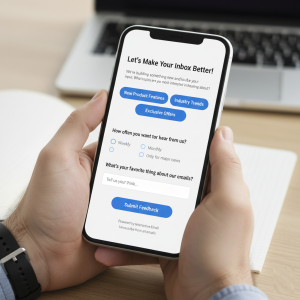
This trend manifests in several innovative approaches:
- Reply-encouraged campaigns: Emails specifically designed to generate responses, with sales teams trained to handle inbound replies
- Interactive elements: Embedded surveys, polls, and feedback mechanisms within emails themselves
- SMS integration: Seamless transitions from email to text conversations for high-priority prospects
- Chatbot handoffs: Email links that connect recipients directly to AI-powered chat assistants
For businesses maintaining comprehensive Salesforce CRM users lists, this conversational approach transforms cold contacts into engaged prospects more effectively than traditional nurture sequences.
Account-Based Marketing Integration Deepens
In 2026, the line between account-based marketing (ABM) and email list management is blurring significantly. Salesforce users are increasingly treating their email lists not as collections of individual contacts but as networks of interconnected decision-makers within target accounts.
This account-centric approach to email list management involves:
- Coordinated multi-threaded campaigns reaching multiple stakeholders simultaneously
- Account-level engagement scoring that considers collective interactions
- Orchestrated sequences that adapt based on account-wide behaviors
- Personalization that references account-specific pain points and opportunities
For organizations managing CRM users lists focused on enterprise clients, this trend is particularly impactful. Rather than nurturing individual leads in isolation, marketers can now orchestrate sophisticated campaigns that build consensus across entire buying committees.
Deliverability Science Becomes More Sophisticated
As inbox providers implement increasingly advanced filtering algorithms, getting emails delivered to primary inboxes (rather than promotions tabs or spam folders) requires scientific precision. The most successful Salesforce email list managers in 2026 treat deliverability as a core competency, not an afterthought.
Key deliverability practices gaining traction include:
- Regular authentication protocol updates (SPF, DKIM, DMARC)
- Aggressive list hygiene removing hard bounces and chronic non-engagers
- Sophisticated warm-up protocols for new IP addresses and sending domains
- Engagement-based sending schedules that prioritize active segments
- Content optimization to avoid spam filter triggers
Organizations managing large Salesforce CRM users lists are investing in dedicated deliverability specialists who monitor reputation metrics, analyze placement rates, and continuously optimize technical configurations to maximize inbox reach.
Mobile-First Design Becomes Mobile-Only Mindset
With the majority of B2B emails now opened on mobile devices, progressive Salesforce users are adopting a mobile-only design philosophy. Rather than creating desktop experiences that adapt to mobile, they’re designing exclusively for smartphone screens and ensuring those designs work acceptably on larger displays.
This approach influences every aspect of email list strategy:
- Ultra-concise subject lines optimized for mobile preview lengths
- Single-column layouts with thumb-friendly click targets
- Minimal text with scannable headlines and bullet points
- Loading-optimized images that render quickly on cellular connections
- Clear, prominent CTAs designed for touch interaction
For CRM users list managers, this trend emphasizes the importance of testing every campaign on actual mobile devices before deployment, ensuring that the recipient experience matches design intentions.
Conclusion: Adapting to the New Email Marketing Reality
The trends shaping Salesforce email lists in 2026 point toward a future where technology enables unprecedented personalization while respecting recipient privacy and preferences. Success in this environment requires moving beyond batch-and-blast mentality to embrace sophisticated, data-driven strategies that treat every contact as an individual with unique needs and interests.
Organizations that effectively implement AI-powered personalization, predictive segmentation, privacy-first practices, and conversational approaches will find their Salesforce CRM users lists becoming powerful revenue engines rather than mere contact databases.
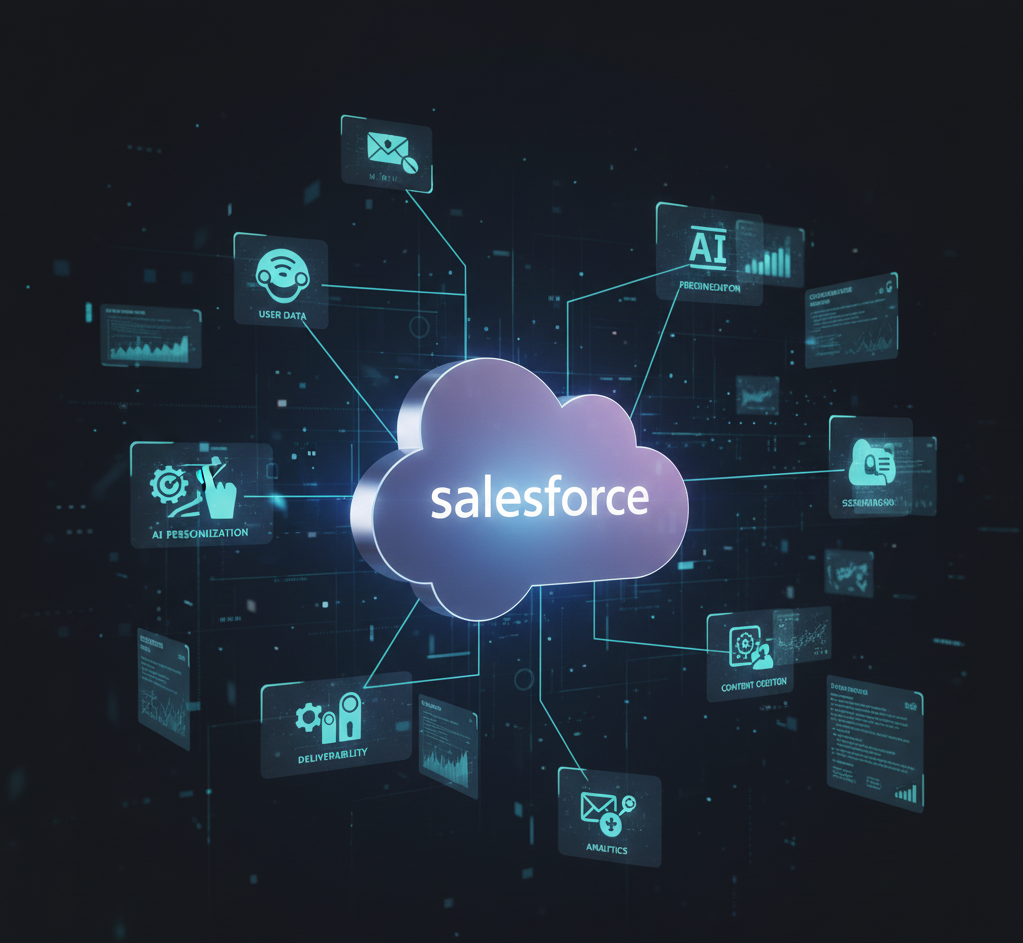
The key is recognizing that your email list isn’t just a marketing asset—it’s a living ecosystem of relationships that requires continuous nurturing, optimization, and respect. By embracing these trends, businesses can transform their Salesforce email marketing from a tactical activity into a strategic advantage that drives meaningful growth throughout 2026 and beyond.